Common Causes of Damage to Concrete Flatwork
People searching for damage to concrete flatwork repair are typically looking to fix cracks, spalling, or uneven surfaces, and local contractors can provide expert solutions.
Understanding the common causes of damage to concrete flatwork is essential for property owners looking to maintain the integrity and appearance of their outdoor surfaces. Factors such as freeze-thaw cycles, improper installation, heavy loads, and exposure to harsh weather conditions can all contribute to cracks, spalling, and other forms of deterioration. Recognizing these issues early can help prevent more extensive damage and costly repairs down the line. Local contractors who specialize in concrete flatwork repair are well-equipped to assess these causes and recommend effective solutions to restore and protect these surfaces.
Property owners in the area often explore this topic to safeguard their investments and ensure their outdoor spaces remain safe and functional. Whether dealing with existing damage or aiming to prevent future problems, understanding the typical causes can guide decisions about repairs and maintenance. Service providers who focus on concrete flatwork repair can address these concerns by offering tailored solutions that extend the lifespan of the concrete. Keep reading to learn more about how these common issues develop and how local experts can help keep concrete surfaces in top condition.
- Concrete driveway repair services are often needed when heavy vehicles cause cracking or surface deterioration, and local contractors can assess and restore the flatwork effectively.
- Sidewalk repair may be required when ground shifting or freeze-thaw cycles create uneven or cracked surfaces, with local pros using specialized techniques to fix the damage.
- Patio repair services are frequently sought after when exposure to moisture and temperature changes lead to spalling or surface flaking, and local contractors can perform necessary repairs.
- Garage floor repair is commonly needed when vehicle leaks or improper curing result in surface stains or cracks, with local pros providing appropriate restoration methods.
- Pool deck repair services are often called for when water exposure and foot traffic cause surface deterioration, and local service providers can restore the flatwork to safety and appearance.
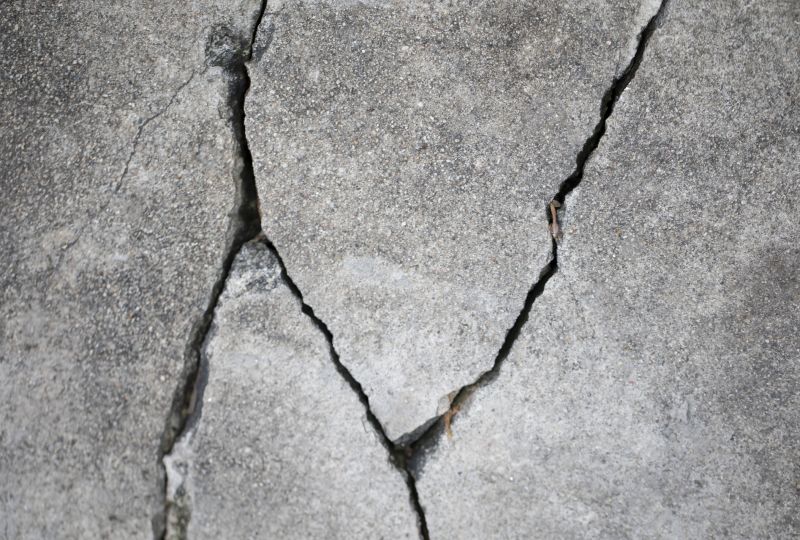
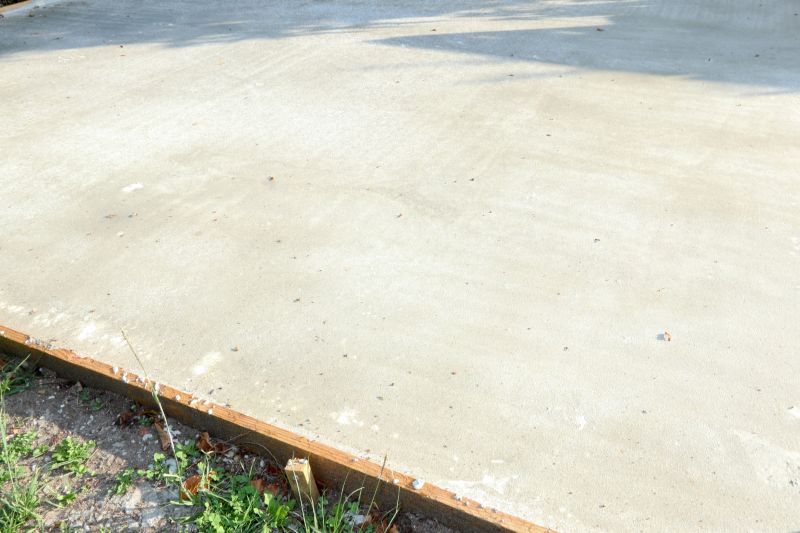
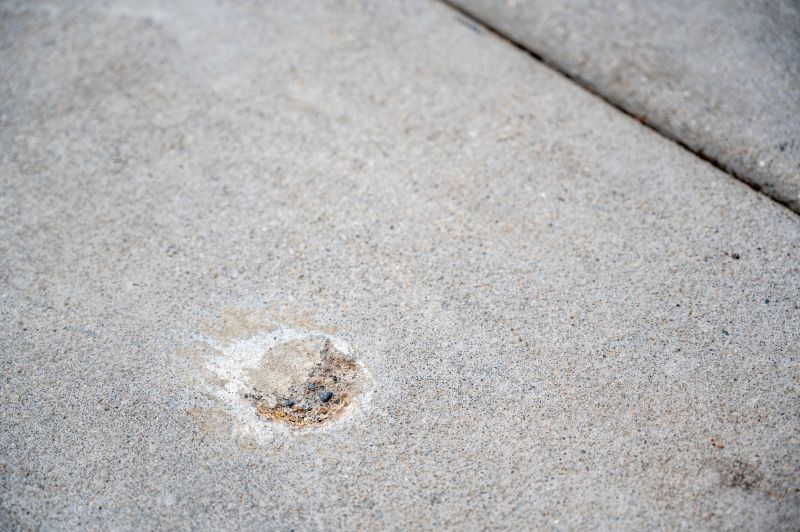
Understanding common causes of damage to concrete flatwork is essential for homeowners who want to maintain the durability and appearance of their outdoor surfaces. Concrete flatwork includes elements like driveways, sidewalks, patios, and flooring in garages or basements. When these surfaces develop cracks, spalling, or uneven areas, it often indicates underlying issues caused by environmental factors, improper installation, or ongoing wear and tear. Recognizing these causes helps property owners identify when repairs are needed and how local service providers can assist in restoring the integrity of their flatwork.
Many problems associated with damage to concrete flatwork stem from exposure to the elements. Freezing and thawing cycles can cause the concrete to expand and contract, leading to cracking or surface deterioration over time. Water infiltration is another common culprit, especially if proper drainage isn't in place. When water seeps into tiny cracks or porous areas, it can weaken the material and promote further damage. Heavy rainfall or standing water around the property can accelerate this process, making it important to address drainage issues and consider protective measures that local contractors can recommend and implement.
Another significant cause of damage relates to improper installation or subgrade preparation. If the ground beneath the concrete isn’t adequately compacted or if the base material is unstable, the flatwork may settle unevenly or develop cracks. Over time, this can lead to uneven surfaces that pose safety hazards or diminish curb appeal. Additionally, heavy loads or frequent vehicular traffic can stress the concrete beyond its capacity, resulting in surface cracking or spalling. Property owners with driveways or parking areas should be aware of these factors and seek out local pros who specialize in proper flatwork installation and repair to prevent or address these issues.
Lastly, aging and general wear contribute to the deterioration of concrete flatwork. Over years of exposure to foot traffic, furniture, or equipment, the surface can become worn, chipped, or cracked. Chemical exposure from de-icing salts or cleaning agents may also accelerate surface damage. Regular use and environmental conditions gradually weaken the concrete’s surface layer, making repairs necessary to restore safety and appearance. Local contractors experienced in damage to concrete flatwork repair can evaluate the extent of deterioration and recommend suitable solutions to extend the life of the flatwork and prevent further damage.
Paving projects - Paving driveways, walkways, and patios require similar planning and tools as concrete flatwork repair, making them relevant for those familiar with concrete damage causes.
Foundation repair services - Repairing cracked or uneven foundations involves understanding soil movement and concrete issues, aligning with knowledge of common damage causes in flatwork.
Sidewalk and curb installation - Installing and repairing sidewalks and curbs involves working with concrete and addressing issues like cracking and settling, similar to flatwork damage concerns.
Garage floor coatings - Applying coatings to garage floors involves surface preparation and addressing damage, paralleling repair techniques for concrete flatwork.
Retaining wall construction - Building and fixing retaining walls requires understanding concrete stability and damage factors, making it related to flatwork damage causes.
Pool deck construction - Creating or repairing pool decks involves working with concrete surfaces and managing common damage issues like cracking and spalling.
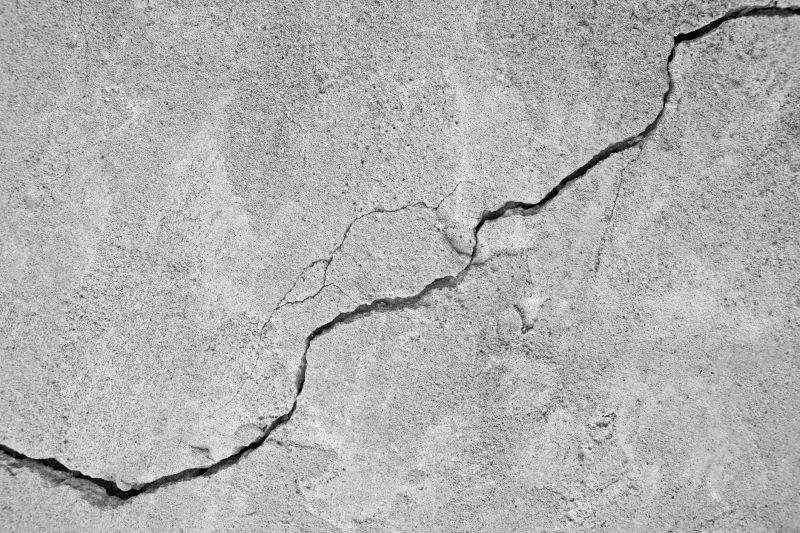
When comparing local contractors for concrete flatwork repair, it’s essential to consider their experience with similar projects. Homeowners should look for service providers who have a proven track record of addressing common causes of damage to concrete flatwork, such as cracking, spalling, or uneven surfaces. An experienced contractor will understand the typical issues that lead to deterioration and be better equipped to diagnose the root causes, ensuring that repairs are effective and long-lasting. Asking for examples of past work or references related to flatwork repair can help gauge their familiarity with the specific challenges associated with damage caused by factors like soil movement, improper installation, or exposure to the elements.
Clear written expectations are a key aspect when evaluating potential service providers. Homeowners should seek contractors who provide detailed descriptions of the scope of work, including the methods they will use to repair damage, the materials involved, and any necessary preparatory steps. Having this information in writing helps prevent misunderstandings and ensures that both parties are aligned on the repair process. It also allows homeowners to compare different proposals more objectively, making it easier to identify which local contractor offers the most comprehensive and transparent approach to addressing common causes of damage and restoring the integrity of the flatwork.
Reputable references and good communication are vital indicators of a reliable contractor. Service providers who can offer references from previous clients or showcase a history of similar projects demonstrate their ability to deliver quality results. Additionally, clear and prompt communication throughout the process helps homeowners stay informed about the repair progress, potential issues, and any adjustments needed. A contractor who listens carefully and answers questions thoroughly can help ensure that the repair work addresses the specific causes of damage effectively, leading to a more durable and satisfactory outcome for the flatwork.
Property owners often search for common causes of damage to concrete flatwork when they are planning practical projects around their homes and businesses. Local pros provide Damage to Concrete Flatwork Repair services for everyday jobs and straightforward project options.
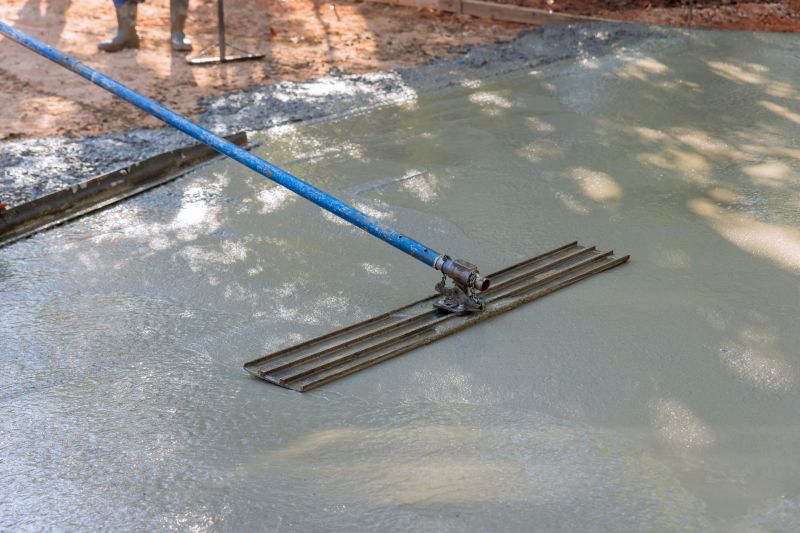
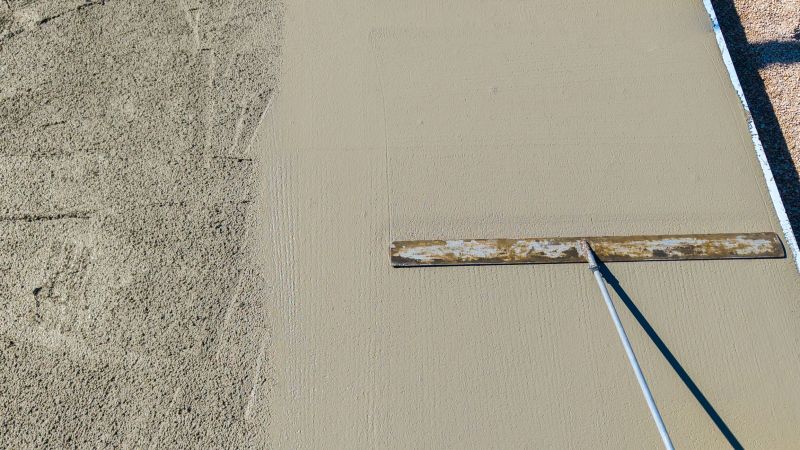
Many property owners in the area find themselves researching common causes of damage to concrete flatwork after noticing cracks, uneven surfaces, or surface deterioration around their homes or businesses. Everyday issues such as exposure to fluctuating weather conditions-like freeze-thaw cycles-can lead to concrete cracking over time. Additionally, improper installation or inadequate curing during the initial pour can make flatwork more susceptible to early damage, prompting property owners to seek repair services from local contractors who specialize in restoring and maintaining concrete surfaces.
Other common reasons for damage include heavy equipment or vehicle traffic that exceeds the concrete's weight capacity, resulting in surface spalling or cracking. Poor drainage around the flatwork can also cause water to pool and seep beneath the surface, weakening the foundation and leading to settlement or heaving. When these issues arise, property owners often look into repair services offered by local contractors who can assess the damage, identify underlying causes, and provide effective solutions to extend the lifespan of their concrete flatwork.
What are common causes of damage to concrete flatwork? Common causes include exposure to freeze-thaw cycles, improper mixing or curing, heavy loads, and poor drainage, which can lead to cracking and spalling. Local contractors experienced in concrete repair can assess and address these issues effectively.
How does freeze-thaw cycling damage concrete flatwork? Repeated freezing and thawing cause water within the concrete to expand and contract, leading to cracks and surface deterioration. Skilled repair service providers can help restore and reinforce affected areas.
Can improper installation lead to damage in concrete flatwork? Yes, inadequate compaction, poor joint placement, or insufficient curing during installation can cause early cracking and surface issues. Local pros can evaluate installation problems and recommend appropriate repairs.
What role does drainage play in damaging concrete flatwork? Poor drainage can lead to water pooling and increased saturation, which accelerates freeze-thaw damage and surface erosion. Repair specialists can improve drainage and repair compromised concrete.
How do heavy loads affect concrete flatwork over time? Excessive weight from vehicles or equipment can cause stress and cracking, especially if the concrete isn't designed to handle such loads. Local contractors can repair and reinforce flatwork to withstand heavy use.
Heavy vehicle traffic - Property owners can plan for proper load limits and choose durable materials to prevent damage caused by frequent heavy vehicle use, with local contractors providing reinforcement services.
Poor drainage - Implementing effective drainage solutions helps avoid water pooling that can weaken concrete, and local service providers can assist with grading and waterproofing projects.
Freeze-thaw cycles - Understanding seasonal temperature changes allows property owners to schedule repairs or protective treatments, with local pros offering sealing and crack repair services.
Improper installation - Ensuring proper surface preparation and curing during installation reduces future damage, and experienced local contractors can perform quality flatwork setup and repairs.
If you are thinking about common causes of damage to concrete flatwork for a property, this guide is meant to help you understand this topic, the typical project types, and how different options might fit your plans.
When you are ready, you can use the quote form on this page to share a few details about your project. From there, local pros can review the basics and follow up with options that match what you have in mind.